

NeoCloud & Exchange · Spot · Forward · Futures
AI Compute Exchange
One venue for GPU compute. Data centers sell it. AI labs buy it. Traders price it.
Bids
Asks
Built to clear capacity across the world’s clouds & neoclouds
The stack
Megawatts at one end, tokens at the other.
Capacity is contracted and metered as megawatts, sold on as GPU-hours, served as tokens, and quoted on a book that prices the two units beneath it. Enter at whichever unit your work is already denominated in; what you stop needing goes back on the same book.
Exchange
A central limit order book over the two units below it, cleared and settled in dollars.
- Who
- Traders
- Why
- To hedge and arbitrage
- What
- Spot · forwards · futures
- TradersBuy / Sell
- AI companiesBuy side
- AI companiesBuy side
- Data centersSell side
Model library · Token factory · Inference · Router
Open models, one endpoint.
513 catalog entries, 52 with verified sources, across text, code, reasoning, vision, image, video and speech, OpenAI-compatible and priced per million tokens.
One base URL.
Point the OpenAI SDK at Exascale. Nothing else in your code changes.
from openai import OpenAI

client = OpenAI(
    base_url="https://api.exascale.dev/v1",
    api_key=os.environ["EXASCALE_API_KEY"],
)

stream = client.chat.completions.create(
    model="deepseek-v3",
    messages=[{"role": "user", "content": prompt}],
    stream=True,
)
Available now, and next
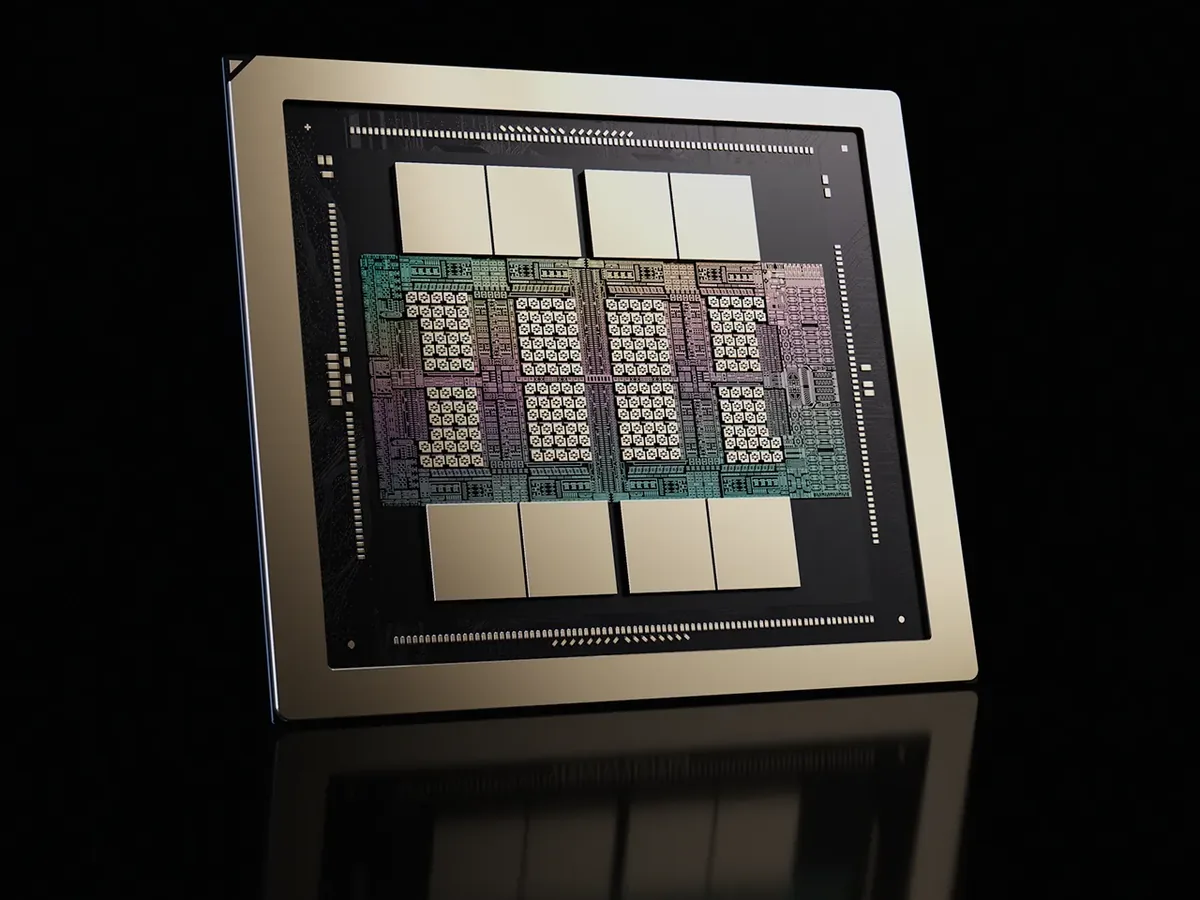
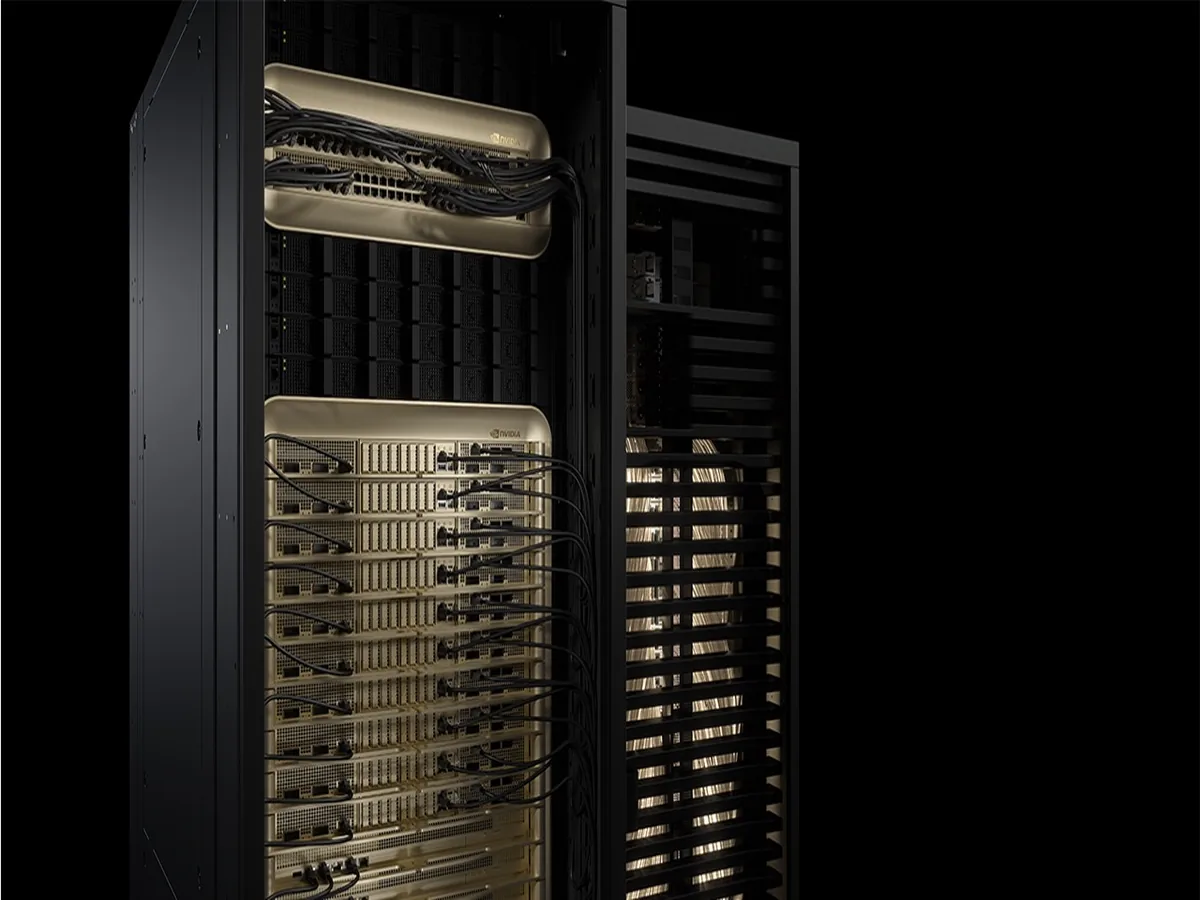
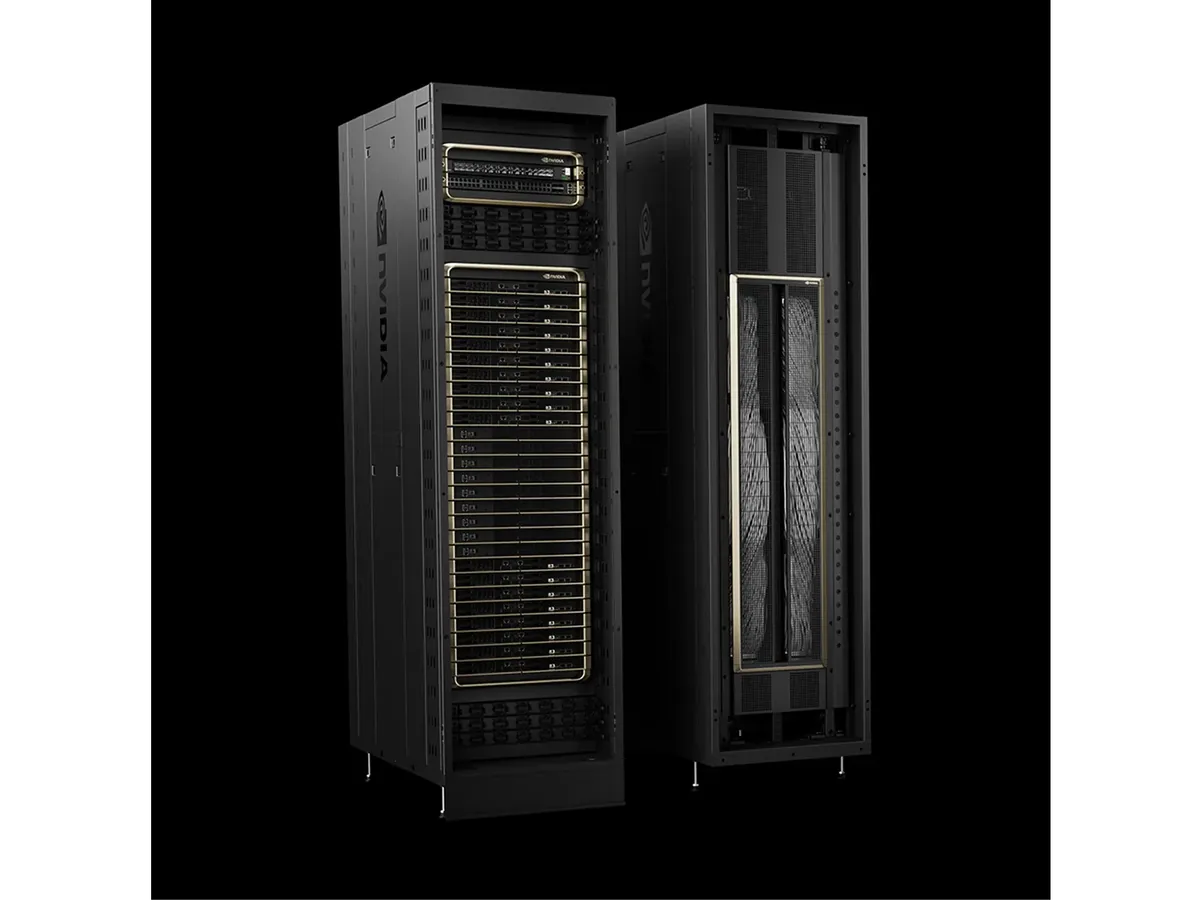
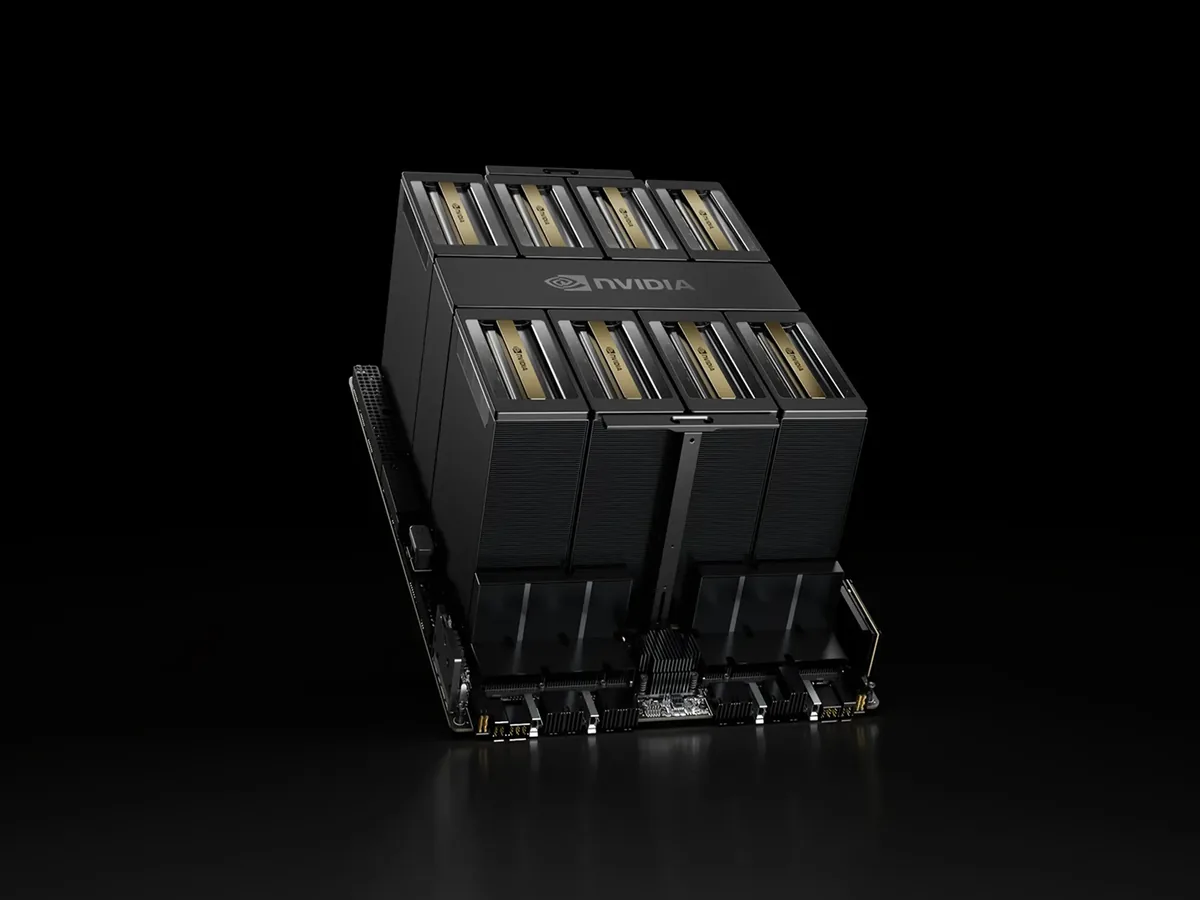
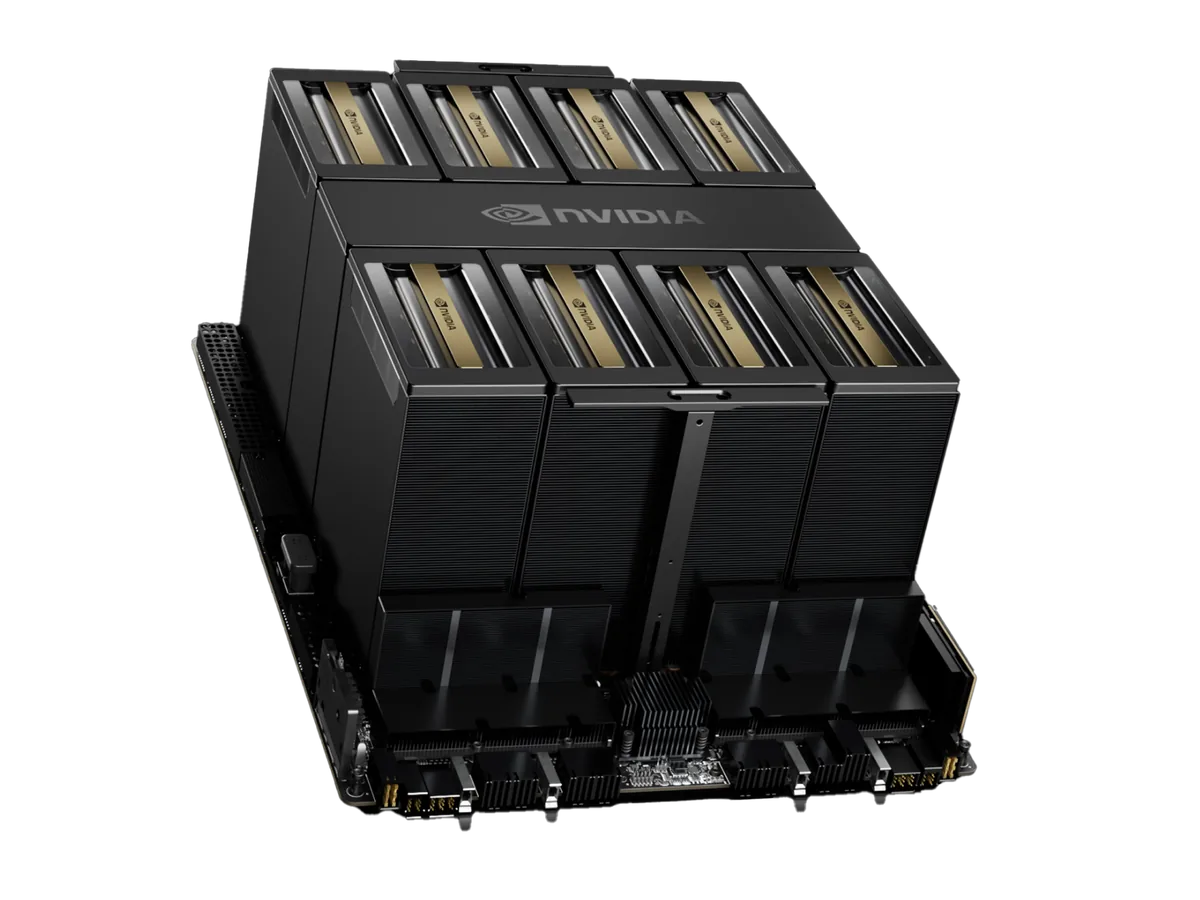
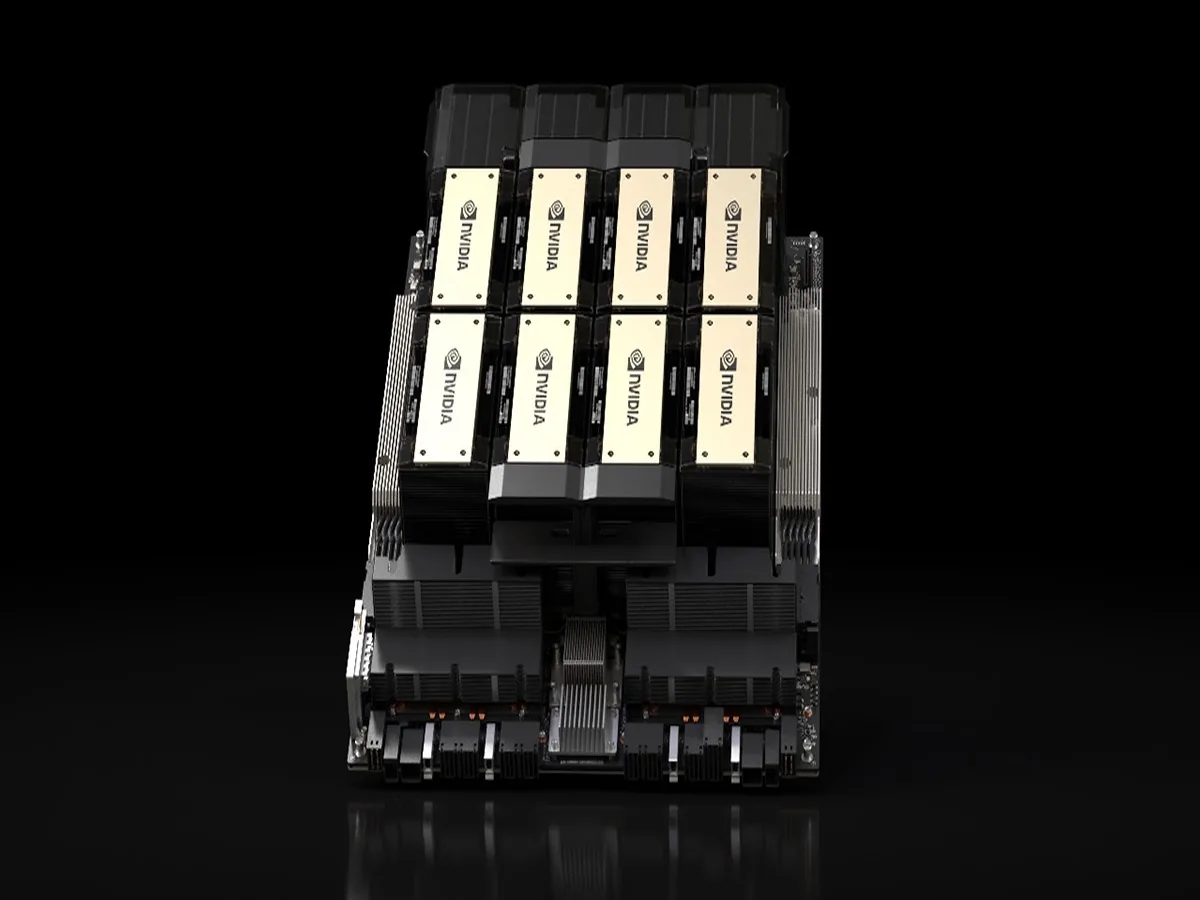
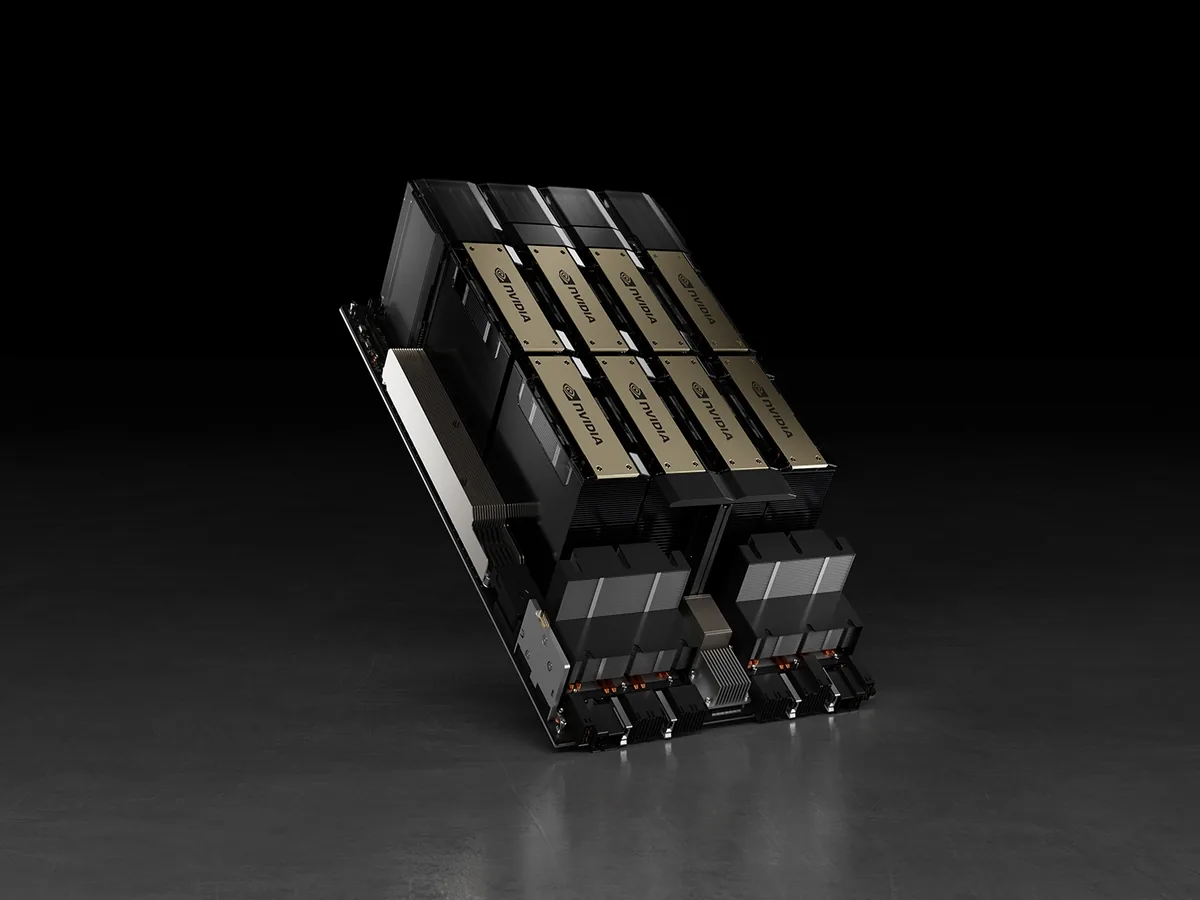
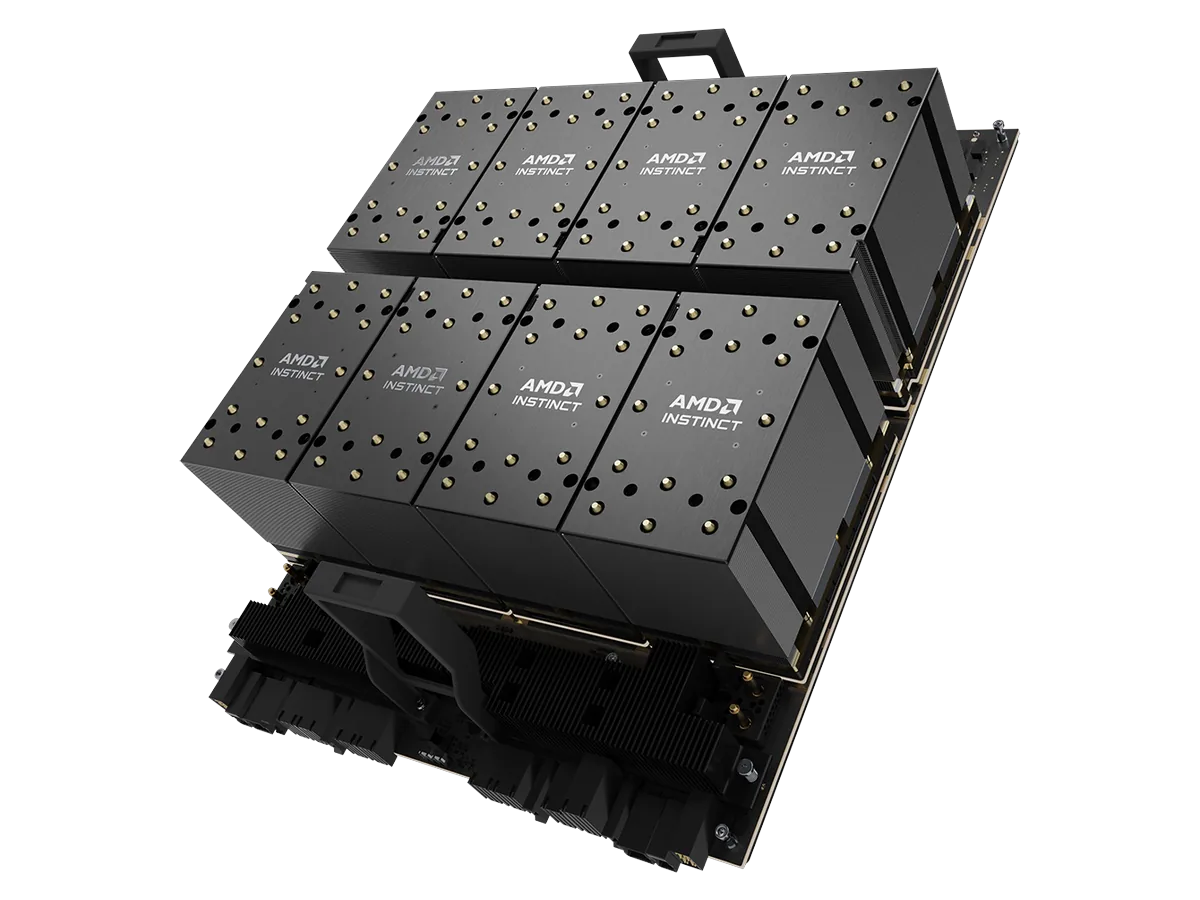
Capacity in every class, from Hopper to Vera Rubin.
Rack-scale NVL72 systems, HGX and AMD Instinct baseboards, under contract across operators and regions. Available by the GPU-hour or reserved for up to five years, whichever generation the work is written for. Vera Rubin can be reserved ahead.
Three sides of the market
Supply, demand, and the price between them.
Meter the racks you are not selling.
List spare capacity the moment it frees up and let the market price it. Turn stranded power and dark racks into continuous, metered revenue.
- Per-second metering & payout
- Proof-of-capacity attestation
- Dynamic pricing by region & SKU
Buy the run, not the reservation.
Provision training and inference capacity at the market clearing price — no year-long lock-ins, no idle reservations. Burst on spot, secure runs on futures.
- Multi-region provisioning, designed
- Lock forward price & capacity
- One settlement account, any partner
Take the price, or make it.
Make markets, arbitrage regional price gaps, and hedge exposure with GPU futures and compute credits. One book for spot, futures and credits, settled T+0.
- Spot, futures & options
- Fungible, transferable credits
- FIX / REST / WebSocket APIs
The market
A price discovered, not negotiated.
Capacity is still bought the way commodities were before they had exchanges — bilaterally, at a price set by the relationship, on terms neither side can hedge. Buyers over-contract rather than risk being short; operators hold racks they have no orderly way to sell. Both are the same missing institution. Exascale quotes both sides of it on one continuous book.
| Class | US-EAST | US-WEST | EU-WEST | EU-NORTH | APAC-NE | ME-CENTRAL | Clearing | Spread | Dispersion |
|---|---|---|---|---|---|---|---|---|---|
| GB300 NVL72 | 10.5760 | 34 bp | 945 | ||||||
| GB200 NVL72 | 7.1180 | 27 bp | 860 | ||||||
| B300 SXM | 6.4265 | 21 bp | 717 | ||||||
| B200 SXM | 5.3840 | 16 bp | 605 | ||||||
| H200 SXM | 3.9805 | 11 bp | 430 | ||||||
| H100 SXM | 2.9940 | 8 bp | 305 |
Instruments
From the next hour to the next quarter.
Spot for capacity needed now, forwards that fix a price and reserve the metal, futures that take the price without the delivery, and credits that hold a balance against any partner. Four instruments, one unit of account, one settlement.
Compute credits
Prepaid, escrowed dollar balances spendable against any partner on the venue — transferable, and redeemable at the clearing price.
Buy compute now
Capacity priced per GPU-hour, matched at the best available bid or ask; provisioning is designed.
Lock the curve
Fix price and reserved capacity weeks to quarters ahead, and take delivery of the capacity itself at expiry. Hedge a planned training run against demand spikes.
No expiry, no delivery
No expiry and no delivery — a cash-settled position on the GPU-hour price, held for as long as funding is paid. Take or hedge a view without ever touching capacity.
Settlement pipeline
From order to settlement without leaving the venue.
An order crosses on the book, capacity is allocated on a partner’s metal (designed), usage meters to the second against an auditable ledger, and funds clear the same day. Five stages, one system — not five integrations.
Order
Post a bid or ask to the central book via console or API.
Console or APIMatch
The engine crosses orders at best price, price-time priority.
Price-time priorityProvision
Winning capacity is allocated on the partner facility's metal; the control plane is designed.
Allocated on partner metalMeter
Usage is metered per-second against an auditable settlement ledger.
Auditable ledgerSettle
Funds clear T+0; credits reconcile against escrow automatically.
T+0 clearingMarket structure
The mechanics a counterparty asks about first.
What makes a market is not the introduction but what stands between the two parties when a trade goes wrong: who carries the credit, where the money sits, which price is authoritative, and what is actually delivered.
Central counterparty
Every match is novated to the venue, so neither side carries the other’s credit. One exposure to clear, not a web of bilateral ones.
Segregated escrow
Client funds sit apart from the venue’s own balance sheet and are reserved per trade, not commingled and drawn against later.
One reference price
A single continuously discovered price per accelerator class and region, published to every participant on the same terms.
Delivery or cash
Forwards deliver the capacity itself; futures settle in cash against the index. The same book prices both.
Clearing & custody
Exascale is the counterparty to both sides.
Every match is novated: the venue becomes buyer to the seller and seller to the buyer, escrows the credits, and guarantees settlement. A lab never fronts capital to an operator it has not underwritten, and an operator is paid for metered work whether or not the buyer turns out to be good for it. Capacity is verified by attestations pulled from the partner’s own metal.
Order book · demonstration data
The book, cumulative by price.
Every resting bid and ask on H100-SXM. Hover the curve for price, size, and distance from mid.
The exchange, end to end
What has to be there before the first trade.
Multi-region supply
Capacity aggregated across operators, regions and continents.
Accelerator-agnostic
NVIDIA and AMD classes quoted on one book, and new silicon as it reaches the market.
Central limit order book
Continuous two-sided markets, matched on price-time priority.
T+0 settlement
Same-day clearing, netted and settled in US dollars.
Segregated escrow
Counterparty funds held apart and reserved per trade.
Per-second metering
Usage billed to the second on an auditable ledger.
Proof-of-capacity
Cryptographic attestations pulled from partner metal.
Programmable
REST, a WebSocket feed, and a FIX 4.4 gateway.

Request access
Whichever side you are on.
Onboarding for data-center operators, AI enterprises, frontier labs and trading desks, in rolling cohorts.